








World Elder Abuse Awareness Day: Spotting and Preventing Financial Elder Abuse in a Digital Age
06/15/2026
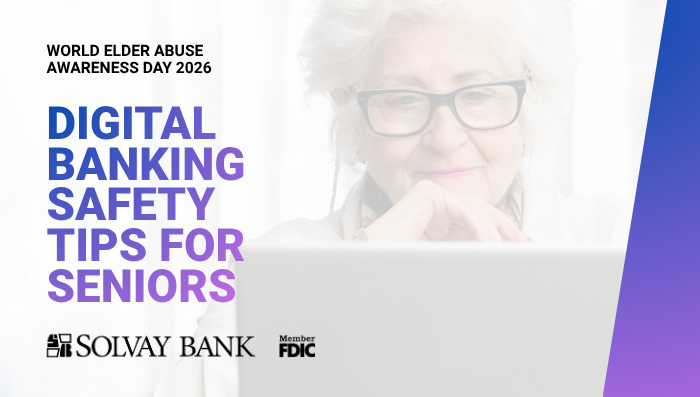
Did you know June 15th is World Elder Abuse Awareness Day? While we often think of abuse in terms of physical or mental health, financial exploitation against older adults has quietly become one of the fastest-growing threats in the country.
Seniors have spent a lifetime building their savings, making them prime targets for financial predators. Today’s scammers rely heavily on social engineering, advanced digital tech and false urgency. Worse yet, they frequently weaponize a senior’s natural desire to be polite or helpful.
But financial abuse doesn't always come from an anonymous screen. Tragically, it can also come from those closest to home. Protecting the seniors in our lives means understanding both the digital threats outside their doors and the vulnerabilities within them.
To protect your loved ones, it helps to understand the two primary ways senior financial abuse occurs: digital scams vs. trusted relationships.
Digital Scams
Seniors are navigating a fast-moving digital world, and fraudsters take full advantage of the learning curve. The most common digital threats include:
- Phishing & Vishing: Deceptive emails (phishing) or phone calls (vishing) designed to look and sound like a caller is from a trusted family member, institution or government agency, tricking seniors into giving up account numbers or passwords.
- Caller ID Spoofing: Technology that allows a scammer's call to falsely display as a trusted business or government agency on a phone screen.
- Check Fraud: Intercepting physical mail to steal, alter or replicate paper checks.
- Pop-ups & Email Attachments: Fake computer virus warnings that prompt seniors to call a "tech support" number, which then demands remote access to their computer or immediate payment via gift cards or wire transfers.
Exploitation by Those Closest
It is a hard reality to face, but a significant portion of elder financial abuse is perpetrated by family members, caregivers or trusted friends. This can look like:
- Coercing a senior into signing over Power of Attorney or changing a will.
- Using a senior’s debit card or digital banking login for personal use without explicit, unforced permission.
- Gradually draining savings accounts under the guise of "helping with the bills."
Essential Digital Banking Safety Steps
Solvay Bank is deeply committed to keeping our seniors safe. Whether you are a senior looking to secure your accounts, or a family member helping a loved one, here are the essential safety rules to put into practice today:
- The "No-Password" Rule: Solvay Bank will never call, text or email you to ask for your online banking password, PIN or one-time login codes. If someone calls you asking for this, hang up immediately.
- Verify the Source: If you receive an alarming call about a compromised account, hang up. Do not any numbers or contact information provided by the caller. Instead, call Solvay Bank directly at 315-484-2201.
- Set Up Account Alerts: Set up text or email alerts for account activity including purchases, withdrawals and low balances in Solvay Bank’s digital banking platforms. This can provide an early warning for unauthorized activity.
- Keep Control of Logins: Never share your digital banking usernames or passwords. If financial assistance is truly needed, look into formal, legally vetted arrangements.
- Normalize the Conversation: Talk openly about money and active scams with those in your life. Shame can be a scammer's greatest weapon. Many seniors don't even report fraud because they are embarrassed. These scams can be highly advanced and continue to evolve every day.
We Are Here to Protect You
At Solvay Bank, our team is trained to watch for signs of financial exploitation, from unusual withdrawal patterns to high-stress interactions at the branch. If you suspect that you or a senior loved one in our community has fallen victim to fraud or exploitation, please do not hesitate to reach out to us immediately.
Let's work together to keep our seniors safe, respected and financially secure.